Essential Recommendations for Trust Distribution Minutes
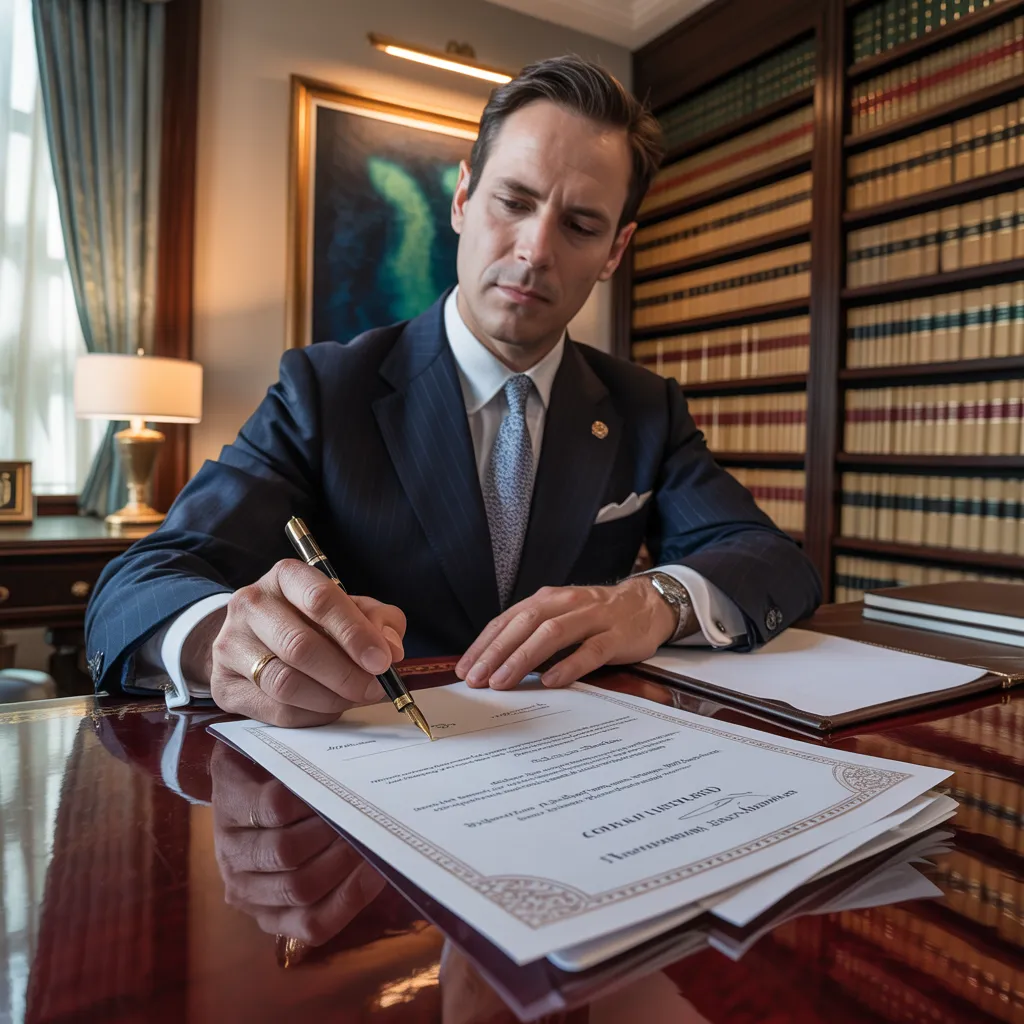
Trust distribution minutes serve as a vital role in successful trust management. They serve as a official documentation of determinations made concerning asset distributions and guarantee transparency among stakeholders. A well-structured method not only clarifies the distribution procedure but also promotes responsibility. Nevertheless, many trustees overlook key procedures that could enhance these minutes. Understanding these best approaches can greatly impact the effectiveness of trust management and the satisfaction of beneficiaries. What are these essential procedures?
Why Fiduciary Distribution Minutes Matter: Key Advantages for Trustees
Although trust distribution minutes may appear to be a mere procedural requirement, they serve critical purposes for trustees. These minutes act as official records documenting decisions made concerning distributions, guaranteeing transparency and accountability. By documenting the reasoning behind each distribution, trustees can protect themselves from potential disputes or legal challenges in the future.
Furthermore, fiduciary allocation notes facilitate correspondence among beneficiaries and trustees, fostering trust and understanding. They supply a clear description of the trust's financial circumstances and distribution basis, which can help to managing beneficiary expectations.
Additionally, extensive minutes work as a point of reference for later choices, permitting trustees to maintain consistency in their actions. Finally, the meticulous recording of these minutes facilitates upholding fiduciary responsibilities, strengthening the integrity of the trust operational structure. In this way, neglecting this practice can lead to disputes and problems that would have been easily avoided.
Critical Features of Trust Distribution Minutes
The main facets of trust dispersal minutes prove vital for advancing sound management and accountability. Essential gathering members must to be clearly identified, and detailed sharing standards create a basis for decisions. Additionally, clear filing methods are required for maintaining accurate information and supporting future reference.
Key Conference Attendees
Successful trust distribution meetings necessitate the presence of key participants who contribute to informed decision-making. Primary participants include the estate manager, who oversees the distribution process, and beneficiaries, whose remarks supplies important data. Solicitors play a significant role in ensuring adherence to relevant laws and regulations, while financial experts present analysis on the trust's fund administration and distribution impact. Additionally, any partner trustees should be included to maintain honesty and collaborative decision-making. Stakeholders may also include household members or representatives supporting the beneficiaries' interests. Each participant's unique perspective enhances the quality of discussions, ensuring that all relevant factors are considered, ultimately leading to just and fair trust distributions.
Complete Flow Regulations
Creating clear allocation rules is vital for effective trust distribution meetings. These guidelines should outline the criteria for distributions, including qualification requirements and the particular purposes for which funds may be distributed. It is crucial to establish the approval process, detailing who has the power to authorize distributions and how decisions will be conveyed to beneficiaries. Additionally, rules should address the frequency of distributions, ensuring that recipients have a clear comprehension of when they can anticipate to receive money. By offering a organized system, these procedures help reduce confusion and ensure that distributions correspond with the trust's objectives. Conforming to these standards promotes openness and responsibility among fiduciaries and beneficiaries as well.

Lucid Documentation Frameworks
Thorough and meticulous documentation demonstrates essential for maintaining clarity in trust distribution meetings. Clear procedural approaches should incorporate the date, time, and location of the meeting, as well as a list of attendees. Each trust distribution discussed must be documented with granular details, including the amount distributed, the recipient, and the basis behind each decision. Additionally, any understandings or concerns raised during the meeting should be recorded to give a complete assessment of the discussions. It is also critical to establish responsibilities with deadlines to guarantee accountability. By following these record-keeping practices, trustees can build a solid record that strengthens transparency and aids subsequent decision-making processes. This methodical approach ultimately reinforces the trust's administration and stakeholder trust.
Primary Recommendations for Writing Impactful Trust Distribution Minutes
When composing efficient trust distribution minutes, lucidity is vital. A explicit purpose statement assures all parties understand the intent behind the distributions, while precise details about the distributions themselves prevent misunderstandings. These elements are essential for maintaining transparency and accountability in the trust administration process.
Distinct Goal Statement
A carefully written purpose statement serves as the foundation for successful trust distribution minutes, providing understanding and focus throughout the record. This statement should directly articulate the objectives of the trust distribution, giving context for all participants involved. By carefully setting the purpose, it creates a guideline that directs discussions and decisions, avoiding ambiguity. It should be to the point yet comprehensive, indicating the goals of the trust and the reasons behind the distributions. Including a purpose statement not only encourages transparency but also increases accountability among trustees and beneficiaries. A clear purpose statement sets the tone for the meeting, allowing participants to coordinate their contributions with the overarching objectives of the trust, ultimately causing more effective outcomes.
Correct Distribution Specifications
Clear and unambiguous distribution details are necessary for successful trust distribution minutes. These details should include the names and relationships of beneficiaries, specific amounts or percentages to be distributed, and the date of distribution. Accurate records avoid misunderstandings and disputes, ensuring all parties are informed about their entitlements. Moreover, it is advised to reference the trust document to validate the distribution decisions made. Each entry should be dated and signed by relevant parties to boost accountability. Incorporating a structured format can assist clarity, enabling easy reference in the future. By adhering to these practices, trustees can preserve transparency, nurturing trust among beneficiaries while guarding against potential legal challenges. Accurate documentation solidifies the integrity of the trust administration process.
Maintaining and Refreshing Trust Distribution Records: Best Strategies
Efficient management of trust distribution records is essential for upholding transparency and compliance. Regularly modifying these records is necessary to reflect any changes in distribution decisions, beneficiary information, or legal requirements. Implementing a systematic schedule for reviewing and revising records helps maintain accuracy and relevance.
Making use of digital tools can enhance record-keeping efficiency, facilitating fast access and retrieval of information. Secure storage solutions, both physical and digital, should be utilized to protect sensitive data from unauthorized access.
Additionally, records ought to be well-structured and transparent, with each entry offering adequate detail to support the decisions made. This includes recording the date of distributions, amounts, and the reasoning behind each decision.
Training staff involved in trust management on best practices guarantees uniformity and minimizes the risk of mistakes. By adhering to these protocols, fiduciaries can maintain their fiduciary responsibilities effectively.
Stay Away From These Typical Mistakes in Trust Documentation
Steering trust paperwork requires vigilance to avoid common pitfalls that can undermine its reliability. One prevalent mistake is the failure to document decisions transparently and swiftly. Inadequate records can lead to misunderstandings and disputes among beneficiaries. Additionally, inconsistent terminology can create confusion; using exact, consistent language is essential for clarity. Another common error is neglecting to include all relevant parties in discussions, which can result in incomplete records and a lack of transparency.
Additionally, disregarding statutory obligations and trust law modifications can jeopardize the trust's legitimacy. Neglecting to regularly examine and modify documents may also contribute to outdated or inaccurate information. Ultimately, not providing sufficient context for decisions can hinder future trustees' understanding of the trust's intent. By steering clear of these errors, trustees can guarantee that trust documentation remains robust and reliable, thereby protecting the welfare of every stakeholder.
Strengthening Correspondence Among Beneficiaries Through Written Notes
The act of documenting meeting minutes serves as a key tool for boosting communication among beneficiaries in a trust. By capturing the dialogues, determinations, and action items, minutes give a clear record that can be referenced by all parties involved. This method certifies that beneficiaries are kept informed about the trust's status and the rationale behind key decisions.
Effective minutes can foster openness, minimizing misunderstandings and possible disputes among beneficiaries. By communicating these records quickly after meetings, all beneficiaries can stay in agreement on expectations and duties. Additionally, properly formatted records encourage participation, permitting beneficiaries to feel involved in the trust's administration.
Persistently distributing and releasing these documents timely resource not only supports accountability but also represents a historical archive that beneficiaries can access in the future. Ultimately, developing dialogue through minutes is necessary for cultivating confidence and partnership among beneficiaries, accelerating a smoother distribution process.
Frequently Common Questions
How Frequently Should Trust Distribution Minutes Be Updated?
Trust distribution minutes should be updated regularly, preferably after each distribution or major determination, to guarantee precise documentation. Consistency in record-keeping promotes openness and helps preserve confidence among beneficiaries and trustees throughout the process.
May Beneficiaries Acquire Documents of Trust Distribution Minutes?
Beneficiaries are able to request copies of trust distribution minutes, given that openness is often fostered within trust management. However, the likelihood of acquiring these records could be subject to the precise language included in the trust agreement.
What Occurs if Minutes Are Not Captured?
Without recorded trust distribution documentation, confusion among beneficiaries may arise, alongside probable distribution disputes and challenges in confirming adherence to trust stipulations, ultimately imperiling the trust's integrity and administration.
Are There Statutory Obligations for Trust Distribution Minutes?
Yes, legal requirements for trust distribution minutes do exist, often varying by jurisdiction. Thorough records ensures compliance with regulations and shields trustees from liability, stressing the importance of maintaining accurate and thorough records during trust distributions.
Who Is Liable for Documenting the Minutes?
A fiduciary typically bears duty to compose the minutes. The individual must accurately chronicle resolutions pertaining to trust distributions, ensuring observance of legal requirements and upholding transparency for beneficiaries and future reference.