Key Guidelines for Trust Distribution Minutes
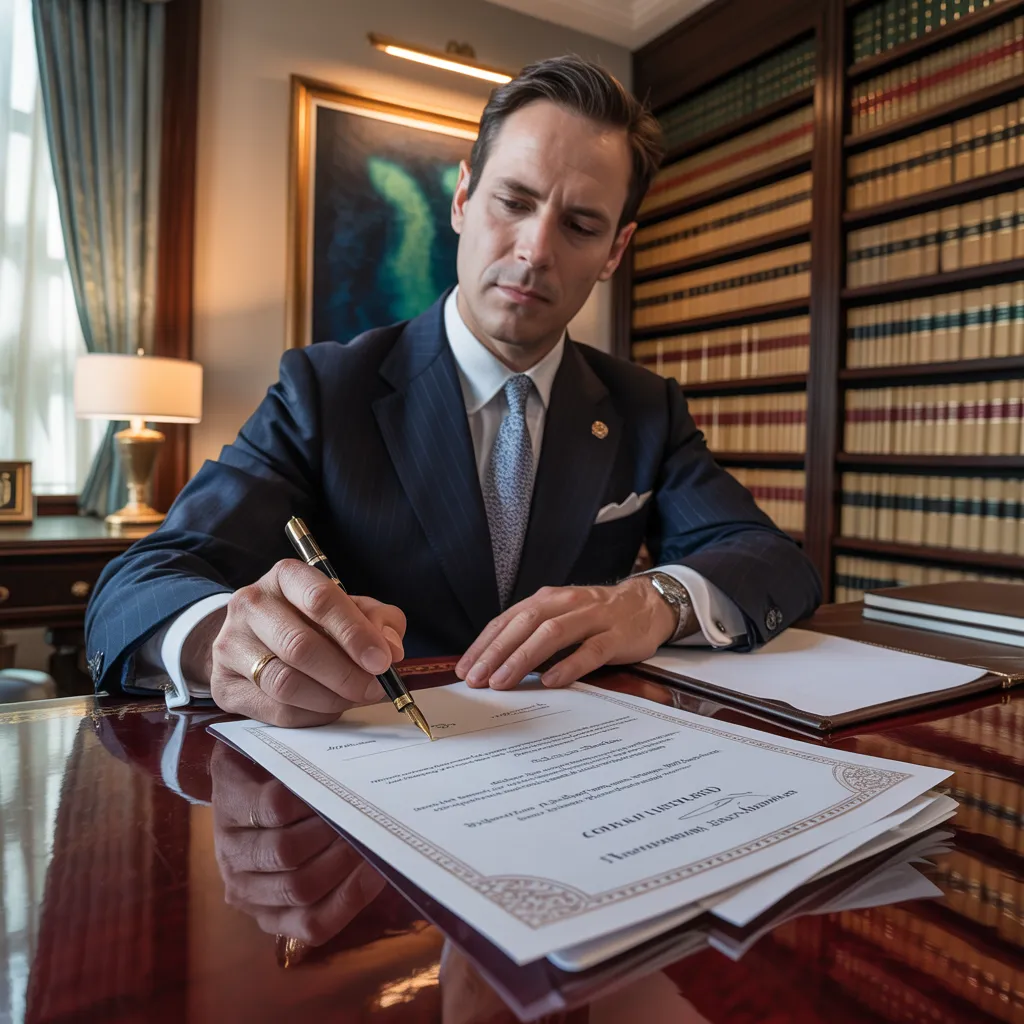
Trust distribution minutes serve a vital role in effective trust management. They function as a formal log of conclusions made regarding asset dispersals and guarantee transparency among stakeholders. A intelligently designed approach not only specifies the allocation chain but also builds accountability. Conversely, many fiduciaries fail to address crucial methods that could bolster these minutes. Appreciating these best methodologies can remarkably determine the competence of trust oversight and the happiness of beneficiaries. What are these indispensable practices?
Why Trust Distribution Records Matter: Important Benefits for Trustees
Trust distribution minutes might look like a simple formality, yet they deliver key roles for trustees. These minutes constitute official records laying out decisions made with respect to distributions, advancing transparency and accountability. By documenting the reasoning behind each distribution, trustees can insulate themselves from potential disputes or legal challenges in the future.
Furthermore, trust distribution minutes facilitate communication among beneficiaries and trustees, fostering credibility and insight. They furnish a clear framework of the trust's financial status and distribution justification, which can help to manage beneficiary requirements.
Furthermore, comprehensive minutes function as a reference point for future decisions, enabling trustees to maintain consistency in their decisions. In the end, the meticulous recording of these minutes supports upholding fiduciary responsibilities, reinforcing the integrity of the trust administration process. In this manner, neglecting this practice can result in misunderstandings and complications that could have been readily prevented.
Vital Elements of Trust Distribution Minutes
The indispensable components of trust allocation minutes hold a significant role in ensuring proficient management and transparency. Key meeting participants must to be clearly identified, and thorough distribution protocols lay out a foundation for decisions. Likewise, clear recording methods are crucial for maintaining accurate records and enabling later use.
Key Conference Participants
Effective trust distribution meetings depend on the participation of key participants who contribute to informed decision-making. Primary participants include the trust administrator, who oversees the distribution process, and beneficiaries, whose feedback delivers vital information. Attorneys are instrumental in ensuring adherence to relevant laws and regulations, while investment professionals provide analysis on the trust's portfolio oversight and distribution impact. Additionally, any joint trustees should be involved to preserve transparency and collaborative decision-making. Interested parties may also include family members or representatives advocating for the beneficiaries' interests. Each participant's unique perspective enhances the quality of discussions, ensuring that all important considerations are taken into account, ultimately leading to just and balanced trust distributions.
Comprehensive Distribution Guidelines
Developing precise allocation standards is essential for effective beneficiary distribution meetings. These guidelines should outline the criteria for allocations, featuring suitability and the designated uses for which capital may be assigned. It is important to specify the approval mechanism, articulating who has the mandate to approve distributions and how resolutions will be transmitted to beneficiaries. In addition, provisions should address the timing of distributions, making sure that beneficiaries have a lucid understanding of when they can expect to access money. By delivering a organized structure, these standards help lessen disputes and guarantee that payouts align the trust's purposes. Following to these tenets encourages openness and responsibility among trustees and beneficiaries similarly.

Lucid Documentation Protocols
Thorough and meticulous documentation proves indispensable for maintaining precision in trust distribution meetings. Clear procedural approaches should list the date, time, and location of the meeting, as well as a list of attendees. Each trust distribution discussed must be captured with granular details, including the amount distributed, the recipient, and the basis behind each decision. Additionally, any agreements or reservations raised during the meeting should be recorded to offer a complete assessment of the discussions. It is also paramount to establish action items with deadlines to guarantee accountability. By implementing these record-keeping practices, trustees can build a dependable record that strengthens transparency and supports future deliberations. This methodical approach ultimately reinforces the trust's administration and stakeholder trust.
Primary Suggestions for Preparing Impactful Trust Distribution Minutes
When composing effective trust distribution minutes, lucidity is essential. A explicit purpose statement assures all parties grasp the intent behind the distributions, while precise details about the distributions themselves avoid misunderstandings. These elements are critical for maintaining transparency and accountability in the trust administration process.
Distinct Purpose Statement
A carefully drafted purpose statement functions as the foundation for well-run trust distribution minutes, guaranteeing understanding and focus throughout the file. This statement should clearly define the goals of the trust distribution, supplying insight for all participants involved. By definitively declaring the purpose, it creates a foundation that leads discussions and decisions, stopping ambiguity. It should be comprehensive yet to the point, showing the goals of the trust and the intentions behind the distributions. Including a purpose statement not only promotes transparency but also strengthens accountability among trustees and beneficiaries. A explicit purpose statement sets the tone for the meeting, empowering participants to synchronize their contributions with the main objectives of the trust, ultimately causing more efficient outcomes.
Accurate Distribution Details
Clear and precise distribution details are crucial for effective trust distribution minutes. These details should contain the names and relationships of beneficiaries, specific amounts or percentages to be distributed, and the date of distribution. Accurate records prevent misunderstandings and disputes, ensuring all parties are informed about their entitlements. Additionally, it is recommended to reference the trust document to validate the distribution decisions made. Each entry should be dated and signed by relevant parties to enhance accountability. Implementing a structured format can aid clarity, allowing easy reference in the future. By adhering to these practices, trustees can copyright transparency, promoting trust among beneficiaries while safeguarding against potential legal challenges. Accurate documentation bolsters the integrity of the trust administration process.
Maintaining and Updating Trust Distribution Records: Best Practices
Effective management of trust distribution records is essential for ensuring transparency and compliance. Regularly updating these records is important to reflect any changes in distribution decisions, beneficiary information, or legal requirements. Establishing a systematic schedule for reviewing and revising records helps preserve accuracy and relevance.
Employing digital tools can enhance the effectiveness of record-keeping, providing easy access and retrieval of information. Secure storage solutions, both manual and digital, are necessary to protect sensitive data from unauthorized access.
Additionally, records ought to be well-structured and transparent, with each entry providing adequate detail to justify the decisions made. This includes noting the date of distributions, amounts, and the rationale behind each decision.
Training staff involved in trust management on industry standards ensures uniformity and reduces the risk of mistakes. By following these protocols, trustees can copyright their legal obligations successfully.
Sidestep These Ordinary Blunders in Trust Drafting
Overseeing trust files requires vigilance to avoid common pitfalls that can undermine its integrity. A frequent error is the failure to note decisions clearly and promptly. Insufficient records can cause misunderstandings and disputes among beneficiaries. Moreover, inconsistent terminology can produce confusion; employing clear, uniform language is vital for clarity. Another common mistake is failing to include all relevant parties in discussions, which may result in inadequate records and a lack of transparency.
Additionally, ignoring statutory obligations and trust law modifications can compromise the trust's validity. Failing to regularly examine and modify documents may also contribute to stale or incorrect data. Ultimately, not relevant resource providing sufficient context for decisions can hinder subsequent trustees' comprehension of the trust's purpose. By avoiding these mistakes, trustees can guarantee that trust documentation remains robust and reliable, thereby safeguarding the interests of all involved parties.
Strengthening Communication Among Beneficiaries Through Minutes
Documenting meeting minutes serves as an crucial tool for enhancing communication among beneficiaries in a trust. By recording the discussions, conclusions, and action items, minutes provide a concise record that can be reviewed by all parties involved. This practice ensures that beneficiaries remain updated about the trust's status and the rationale behind key decisions.
Effective minutes can promote clarity, reducing confusion and potential conflicts among parties. By distributing these documents promptly after meetings, all parties can remain in sync on expectations and duties. Additionally, properly organized minutes promote engagement, allowing parties to feel included in the trust's administration.
Regularly reviewing and circulating these documents not only fosters responsibility but also operates as a historical archive that beneficiaries can review in the future. Ultimately, strengthening communication through minutes is critical to upholding confidence and teamwork among beneficiaries, supporting a smoother distribution process.
Frequently Inquired Questions
How Often Should trust distribution files Be Revised?
Distribution trust minutes should be revised on a consistent basis, ideally after each distribution or significant decision, to ensure precise documentation. Consistency in documentation promotes openness and helps preserve confidence among beneficiaries and trustees throughout the process.
Can Trust recipients Ask for Duplicates of Trust Distribution Minutes?
Beneficiaries are able to request copies of trust distribution minutes, given that transparency is generally encouraged within trust operations. However, the possibility of obtaining these materials could depend on the precise language included in the trust agreement.
What Takes Place if Minutes Are Not Documented?
Without recorded trust distribution documentation, beneficiary confusion may occur, alongside potential disputes regarding distributions and challenges in confirming compliance with the trust's terms, ultimately jeopardizing the trust's integrity and administration.
Are Trust Distribution Minutes Required to Meet Mandatory Standards?
Yes, legal requirements for trust distribution minutes do exist, often differing by jurisdiction. Accurate records assures compliance with regulations and protects trustees from liability, underscoring the importance of maintaining accurate and thorough records during trust distributions.
Who Needs to Compose the Minutes?
A fiduciary typically has obligation to draft the minutes. The representative must accurately register decisions on trust distributions, confirming compliance with statutory requirements and maintaining transparency for interested parties and future reference.